Books
1 / Happy Families
Dr. Beth Mosley MBE is a respected consultant clinical in the UK, dedicated to supporting children and families daily. In her guide, she addresses complex topics such as anxiety and managing mental health fluctuations. "Happy Families" offers a clear perspective on children's mental health, ages four to twenty-one, equipping caregivers with essential tools to confront challenges while fostering hope for positive change.
2 / Your Child is Not Broken
A comprehensive guide for parents of neurodivergent children, authored by Heidi Mavir, a late-identified neurodivergent adult and parent of an autistic/ADHD teenager. This work chronicles Heidi's candid pursuit of recognition and support amidst societal challenges. "Your Child Is Not Broken" serves as a vital resource for parents of neurodivergent children, providing insights to foster a new understanding and approach.
3 / Brown Baby
In the realm of contemporary literature on fatherhood, Nikesh Shulka’s Brown Baby truly deserves your attention. The author of The Good Immigrant addresses pressing issues parents face today, such as finding joy in a world filled with racism, sexism, and climate challenges. His candid reflections family and his connections to the UK provide valuable insights on allyship for those outside the Asian experience.
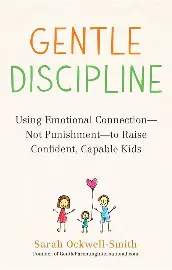
4 / Gentle Discipline: Using Emotional Connection—Not Punishment—to Raise Confident, Capable Kids
In "Gentle Discipline," Ockwell-Smith critically examines traditional disciplinary practices while integrating contemporary research in child development, psychology, and neuroscience to propose innovative and compassionate methods for disciplining children. This guide offers designed to prevent the emergence of negative emotions such as shame, frustration, and.
5/ What Not to Say: Tools for Talking With Young Children
When a child misbehaves, it can trigger an instinctive, irritated response. Such reactions are ineffective; the words we use with children are powerful. In "What Not To Say," Sarah MacLaughlin shows how to handle these situations with clarity, consistency, and humor, creating positive interactions. The way we with children shapes their future relationships, and applying these strategies can lead to happier, better-behaved kids.